1. Concept of rail transport
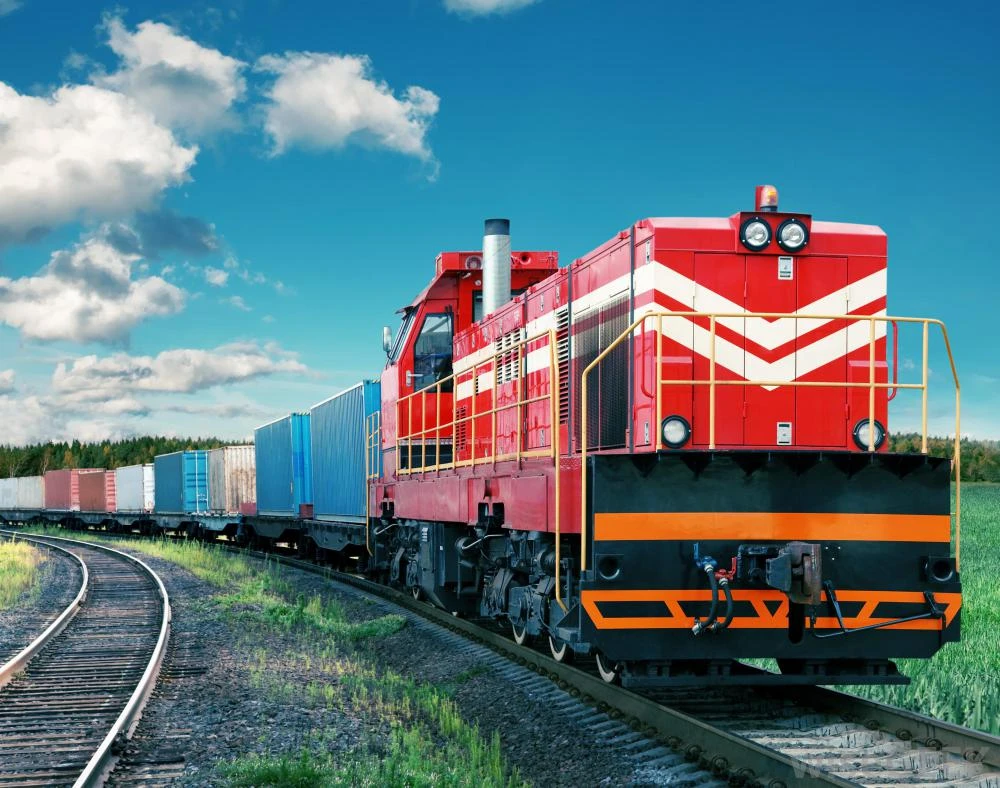
Rail transport is a form of transporting people and goods by train running on a rail system. This is a means of transport that has appeared since the 19th century and still plays an important role in the logistics system in many countries around the world.
Trains are known for their ability to carry large volumes, stable speeds and continuous operation regardless of weather conditions, thereby bringing high efficiency in long-distance transport.
2. Outstanding features of rail transport
- Large carrying capacity: A train can transport thousands of tons of goods or hundreds of passengers in one trip. This helps reduce the pressure on road transport.
- Reasonable and stable costs: Compared to road or air transport, rail transport costs are often lower when considering the volume and distance of transport. In addition, fares are often stable, with little fluctuation according to fuel prices.
- High safety: The accident rate in rail transport is much lower than that of road transport, because the train system operates on a fixed schedule and is strictly controlled.
- Environmentally friendly: Trains have low energy consumption and lower greenhouse gas emissions than trucks or planes, contributing to the goal of sustainable development.
3. The role of railway transport in socio-economic development
- Promoting trade: Railway transport connects regions, facilitating the circulation of goods, thereby promoting domestic and international trade.
- Developing infrastructure and urban areas: Vital railway lines are often the driving force for the formation of industrial parks and satellite cities, contributing to local economic development.
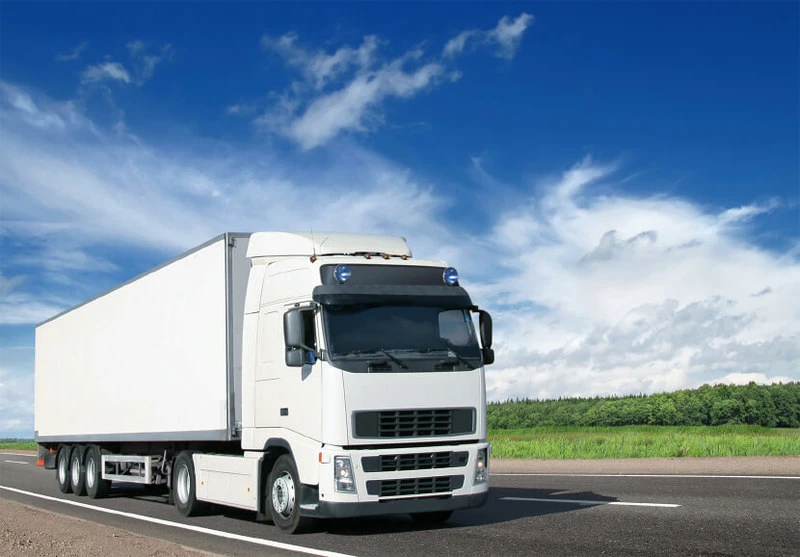
- Reducing traffic pressure: When goods and passengers are transferred to railways, road traffic will be significantly reduced, thereby limiting congestion and accidents.
4. Current status and challenges of Vietnam's railway transport industry
In Vietnam, the railway industry has a history of development of more than 100 years, with a North-South railway system of more than 1,700 km long. However, the industry is currently facing many challenges such as:
- Outdated infrastructure, many single-track lines, unable to meet modern transportation needs.
- Train speeds are still slow compared to other means of transport.
- Lack of investment capital and synchronous support policies to modernize the railway system.
5. Future development orientation
To effectively exploit the potential of railway transport, Vietnam needs to:
- Invest in upgrading the rail and train system, especially high-speed railway routes such as the North-South high-speed line.
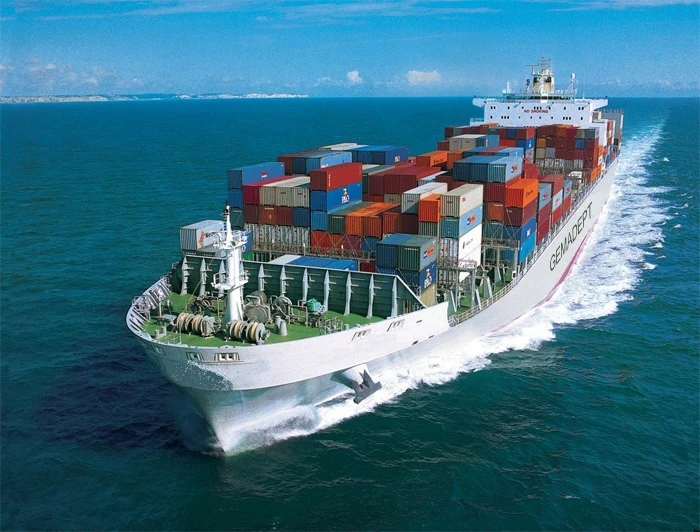
- Enhance inter-regional connections between railways and seaports, airports, and roads to form a multimodal logistics network.
- Apply modern technology to operation management and dispatching, thereby improving service quality and user experience.
Railways not only connect remote areas, but also connect people, culture and modern life. Each train is a journey of development and integration.