1. Concept of sea transport
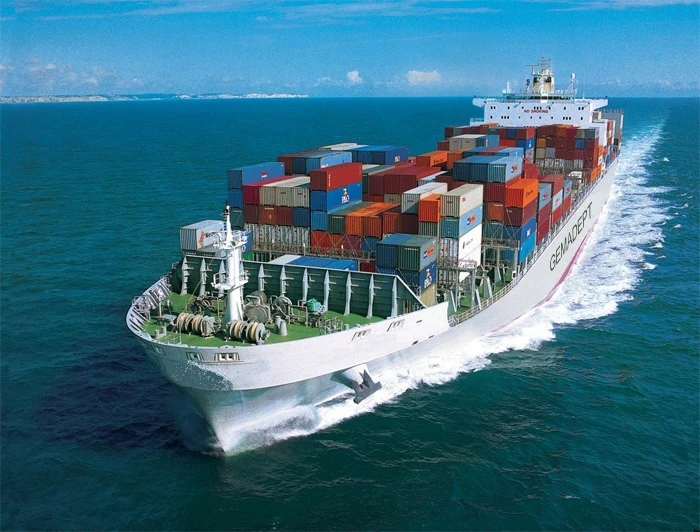
Sea transport is a form of transporting goods by ship through international or domestic shipping routes. This is a long-standing mode of transport and still plays a leading role in global logistics activities, especially in the field of import and export.
2. Outstanding features of sea transport
- Capacity to carry large volumes: Cargo ships can transport tens of thousands of tons of goods in one trip, suitable for heavy, bulky or bulky goods.
- Low transportation costs: Compared to air or road transport, sea transport has a much lower cost per unit of goods, especially when transporting long distances.
- Wide transportation range: Ships can reach most countries with coastlines, effectively connecting continents.
- Lower environmental impact than air transport: Although it still creates emissions, if calculated per unit of goods, sea transport is more environmentally friendly.
3. The role of maritime transport in the economy
- The mainstay of international trade: About 80–90% of global cargo volume is transported by sea, including strategic commodities such as oil, coal, iron and steel, grain, containers, etc.
- Contributing to national economic development: Countries with developed seaport systems often have a competitive advantage in trade, attracting investment and forming coastal economic zones.
- Connecting the global supply chain: Maritime transport plays an intermediary role in transporting between factories, warehouses, seaports and major consumer centers around the world.
4. Current status of the maritime transport industry in Vietnam
Vietnam has a coastline of more than 3,200 km with many large seaports such as Hai Phong, Cai Mep - Thi Vai, Da Nang, Quy Nhon, Saigon, etc. This is a favorable condition for the development of maritime transport.
However, the Vietnamese maritime transport industry is still facing some limitations:
- The fleet is still small and unmodern, mainly concentrated in the small ship segment, with little competition with foreign ships.
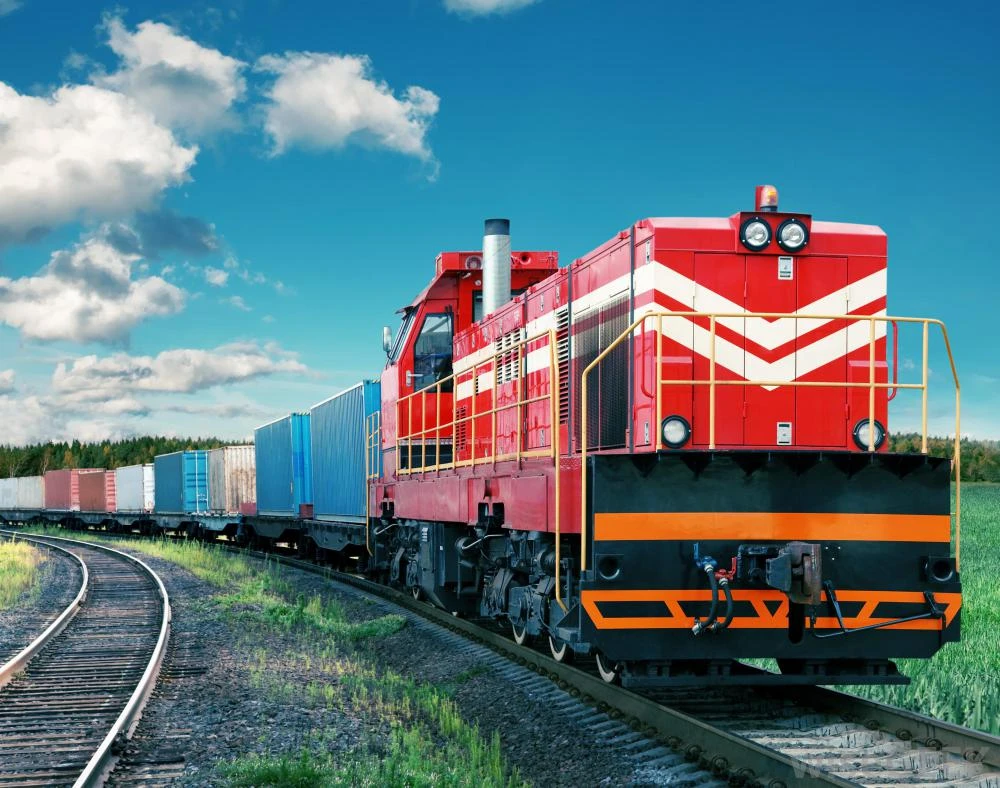
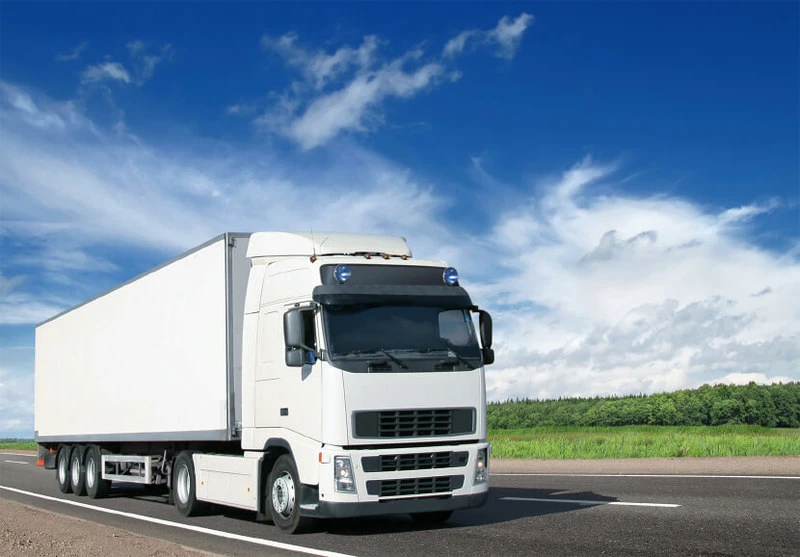
- High logistics costs: Due to the lack of effective connection between maritime transport with roads, railways and inland waterways.
- Unsynchronized seaport infrastructure: Some ports have not been exploited at full capacity due to the lack of deep-water wharves and modern loading and unloading equipment.
5. Development orientation and solutions
To develop the maritime transport industry sustainably, it is necessary to:
- Modernize the fleet: Invest in large container ships and specialized cargo ships to compete with international shipping lines.
- Develop deep-water ports and seaport logistics: Increase the capacity to receive large ships, reduce loading and unloading time and operating costs.
- Enhance multimodal connectivity: Integrate maritime transport with other forms of transport such as rail and road to optimize the supply chain.
- Train high-quality human resources: Meet the needs of management, operation and effective exploitation of the modern maritime transport system.
Sea transport plays a particularly important role in international trade and national economic development. With its favorable geographical location, Vietnam has great potential to become a regional logistics and seaport hub. However, to realize this potential, a systematic investment strategy, strong reforms and synchronous coordination between the state, enterprises and relevant parties are needed.
Maritime transport is not only the lifeblood of global trade, but also a symbol of borderless connectivity between economies. Each ship going to sea carries not only goods, but also trust, cooperation and sustainable development between countries.